Introducing EYJA

The new gen turbine retrofit for general aviation

450
hp
POWER
0.48
lb/hph
Specific FUEL CONSUMPTIOn
243
lbs
WEIGHT

COMPACT aND LIGHTWEIGHT

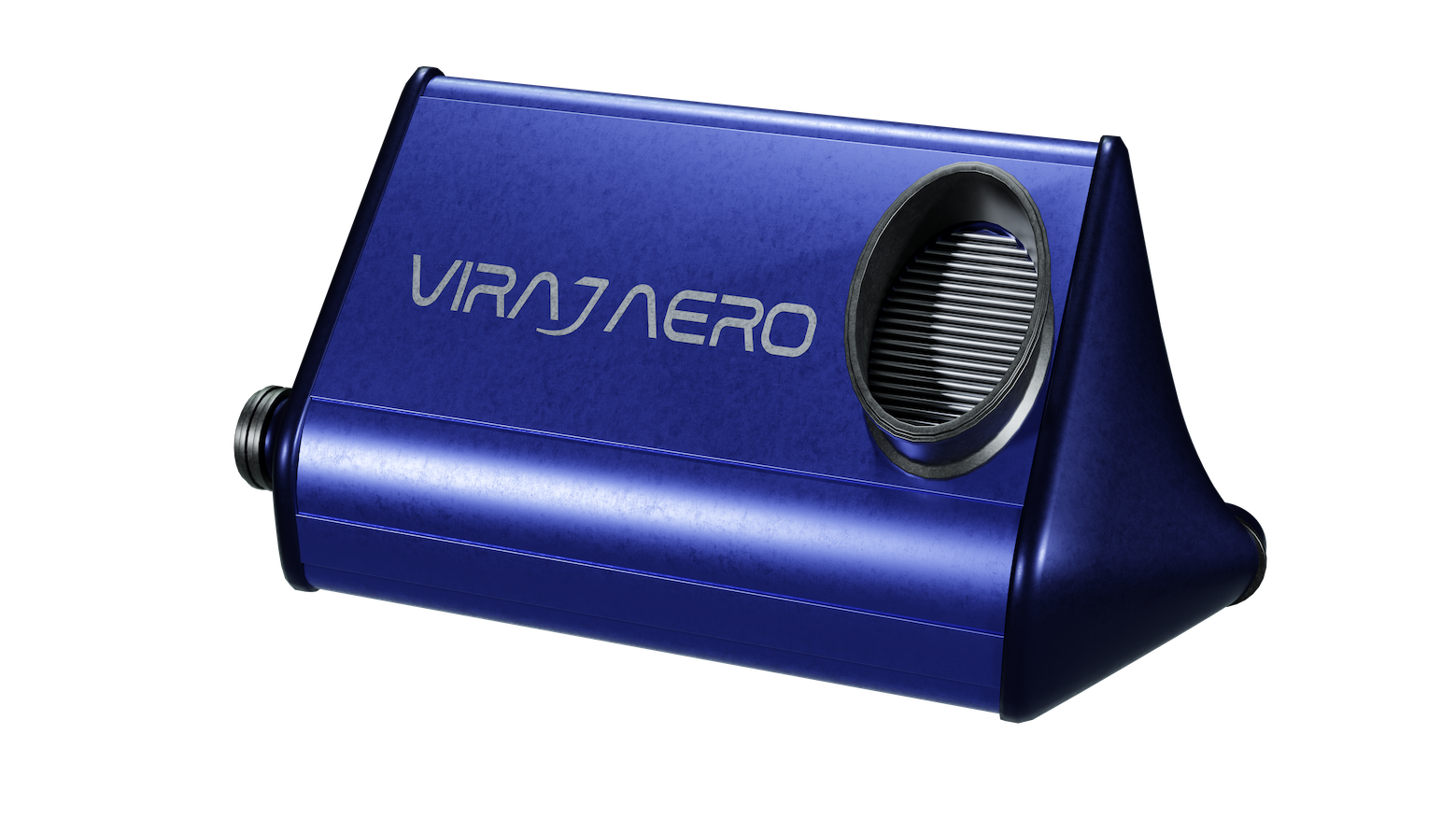
Designed to implement steam injection while minimizing mass and volume, our heat exchanger enables high performance without compromising aircraft integration or reliability.

DESIGNED FOR LONGEVITY

Engineered for durability and consistent performance across every phase of flight, with no compromise on reliability.

PROVIDING HIGH EFFICIENCY

Reduces fuel burn and maintenance costs without redesigning the engine or the aircraft.

REDUCING CLIMATE IMPACT

Cuts CO₂ emissions through lower fuel burn and enables up to 99% reduction in NOx by allowing better-controlled combustion, addressing both CO₂ and non-CO₂ climate effects.
Cutting Edge Technology

Designed to be
plug & play

Seamless integration

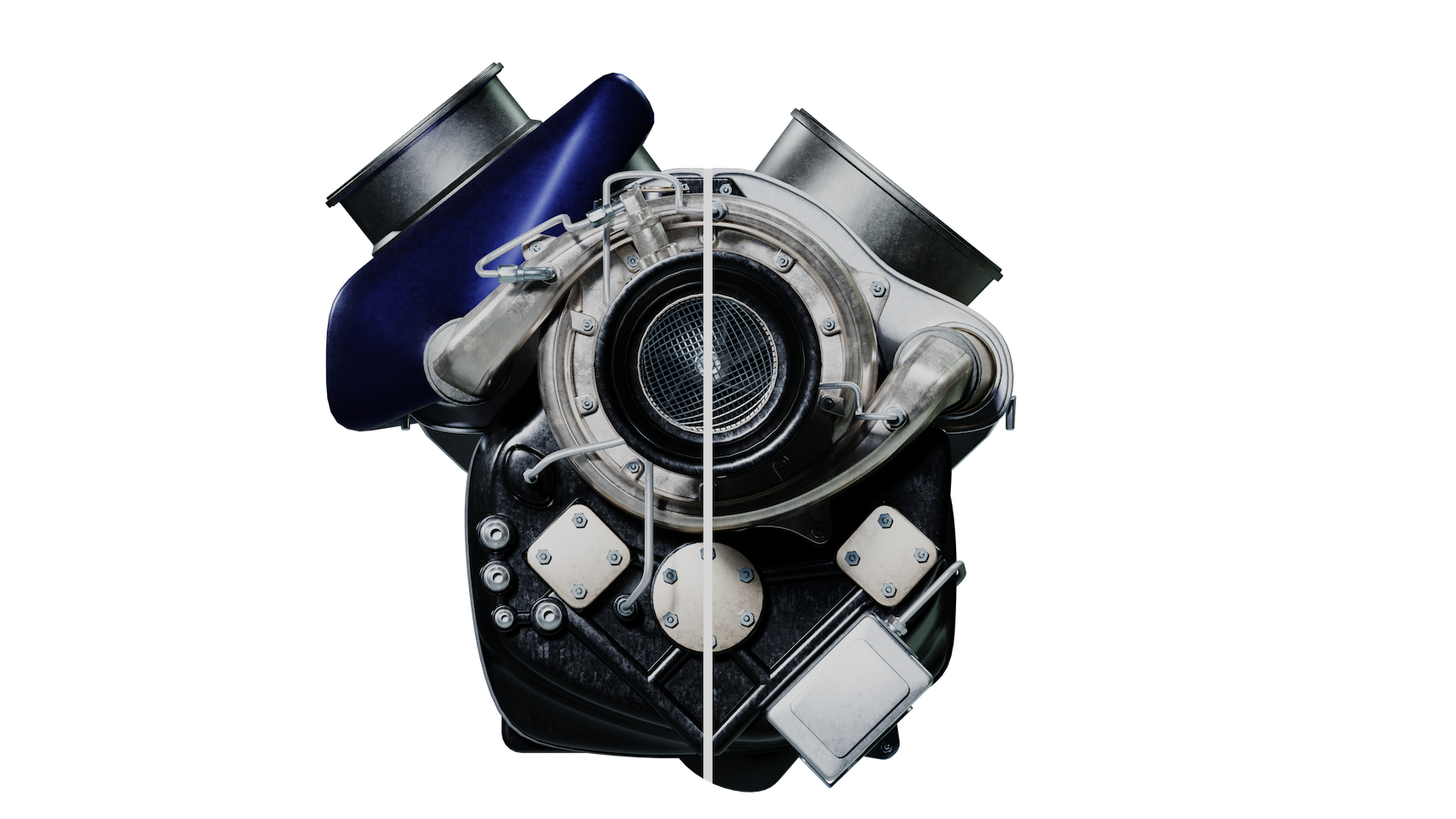
Our module is engineered as a true plug-and-play solution, designed to integrate seamlessly with existing aircraft engines. Installation requires no redesign of the core engine architecture, no major aircraft modifications, and no disruption to certified systems.

Fast retrofit, minimal downtime

This approach dramatically simplifies deployment: retrofit can be performed during standard maintenance operations, minimizing aircraft downtime while ensuring full compatibility with existing operational and maintenance practices.
The result is a fast, low-risk upgrade that delivers immediate fuel and maintenance savings, without compromising reliability and certified through STC.
Support

Frequently Asked
Questions

What is the technology behind Viraj Aero ?
Viraj Aero leverages a principle called steam injection, a technology already widely used in ground-based power generation turbines since the 1980s. With a patent technology, we adapt this proven principle to aviation and offer the first steam injection turbine.
How much environmental impact can Viraj Aero reduce?
Our system enables up to 30% fuel savings and reduces total climate impact by up to 50%, all without changing fuels. It directly addresses non-CO₂ effects, including oxyde nitrogen (NOx) and contrail formation, which together represent over 60% of aviation’s climate footprint.

When will we see it in the sky?
Our first product is planned for 2029, starting with light aircraft. Larger regional aircraft will follow in 2031, bringing cleaner aviation within reach.